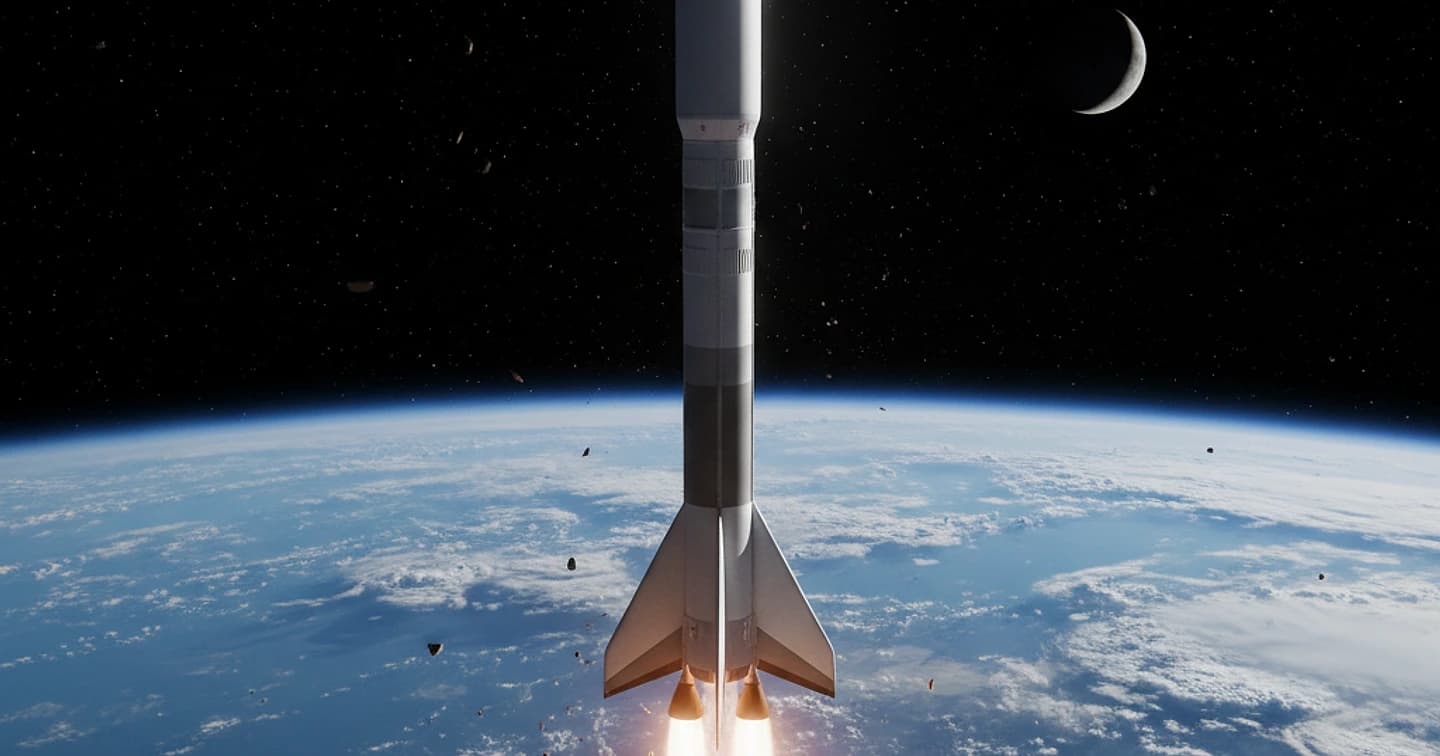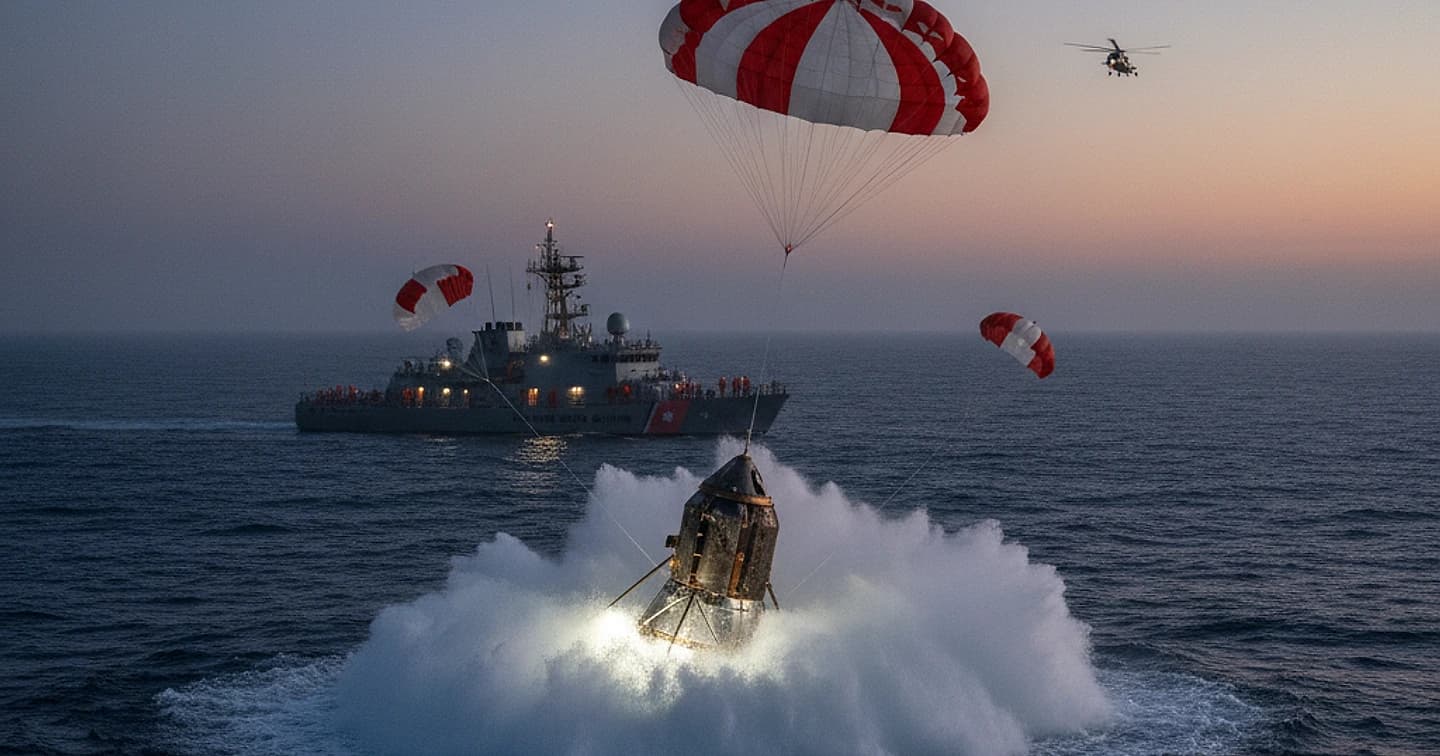
After a nail-biting 10-day voyage, the Artemis II mission has concluded, marking a triumphant return to Earth for its crew. The Orion capsule splashed down safely, bringing an end to a journey that propelled humans further from our planet than ever before. But what did this groundbreaking mission really accomplish?
A Historic Voyage
Artemis II wasn't just another spaceflight. It was a carefully orchestrated demonstration of NASA's capabilities, pushing the boundaries of human space exploration. The mission saw the crew of four complete a flyby of the Moon, venturing over 800,000 kilometers from Earth. That's farther than anyone has ever traveled! And it's a significant step toward returning humans to the lunar surface.
The mission's primary goal? To thoroughly test the Orion spacecraft's systems in the harsh environment of deep space. Key objectives included evaluating life support systems, navigation, and communication capabilities. Did they succeed? By all accounts, yes. The data collected during the flight will be invaluable in refining the design and operational procedures for future Artemis missions, especially Artemis III, which aims to land astronauts on the Moon.
Orion's Performance Under Scrutiny
A critical aspect of Artemis II was assessing Orion's heat shield. Re-entry into Earth's atmosphere is a fiery ordeal, and the heat shield must perform flawlessly to protect the crew. Initial reports suggest the heat shield withstood the extreme temperatures as expected. This is crucial, as any failure in this area could have catastrophic consequences.
Beyond the heat shield, engineers closely monitored the performance of Orion's other systems. These included the spacecraft's power generation, thermal control, and propulsion systems. The mission also tested the crew's ability to operate the spacecraft manually, a vital skill in case of emergencies. All systems appeared to function within acceptable parameters, providing confidence in Orion's overall design.
What the Experts are Saying
"Artemis II represents a critical pathfinder for sustained lunar exploration," says Dr. Emily Carter, a leading astrophysicist at the California Institute of Technology. "The data gathered on Orion's performance, particularly the life support systems and radiation shielding, will be essential for ensuring the safety and well-being of future lunar explorers."
Dr. Carter also emphasizes the importance of international collaboration in the Artemis program. "The success of Artemis depends on the contributions of our international partners. Sharing expertise and resources is vital for achieving our ambitious goals."
Looking Ahead: The Future of Artemis
With Artemis II now complete, all eyes are turning to the next phase: Artemis III. This mission is slated to send astronauts to the lunar south pole, a region believed to hold significant deposits of water ice. Accessing this ice could provide a valuable resource for future lunar settlements, potentially serving as a source of drinking water, rocket propellant, and even breathable air.
But Artemis III faces significant challenges. Developing a lunar lander capable of safely transporting astronauts to and from the lunar surface is a complex engineering feat. And ensuring the crew's safety during extended stays on the Moon will require advanced life support systems and radiation shielding.
The Bigger Picture
The Artemis program is more than just a series of missions to the Moon. It's a stepping stone to even more ambitious goals, such as sending humans to Mars. By developing the technologies and infrastructure needed to explore the Moon, NASA is laying the foundation for future voyages to the Red Planet. And let's not forget the economic benefits. The Artemis program is already creating jobs and stimulating innovation in the aerospace industry.
And what about the inspiration factor? Seeing humans venture back to the Moon can inspire a new generation of scientists, engineers, and explorers. It's a reminder that anything is possible with dedication, perseverance, and a spirit of adventure.
A Few Technical Highlights
Let's dive into some specific technical achievements of Artemis II:
- Deep Space Navigation: Orion successfully navigated the complex gravitational forces of the Earth-Moon system, demonstrating the accuracy of its navigation systems.
- Communication: The mission maintained reliable communication with ground control throughout the 10-day flight, even when Orion was on the far side of the Moon.
- Radiation Monitoring: Sensors onboard Orion collected valuable data on the radiation environment in deep space, helping scientists better understand the risks faced by astronauts on long-duration missions.
These technical achievements are critical for ensuring the success of future Artemis missions. They demonstrate that NASA has the expertise and technology needed to safely explore the Moon and beyond.
In conclusion, the Artemis II mission was a resounding success. It demonstrated the capabilities of the Orion spacecraft, collected valuable data, and inspired a new generation of space explorers. As we look forward to Artemis III and beyond, we can be confident that the future of human space exploration is bright.