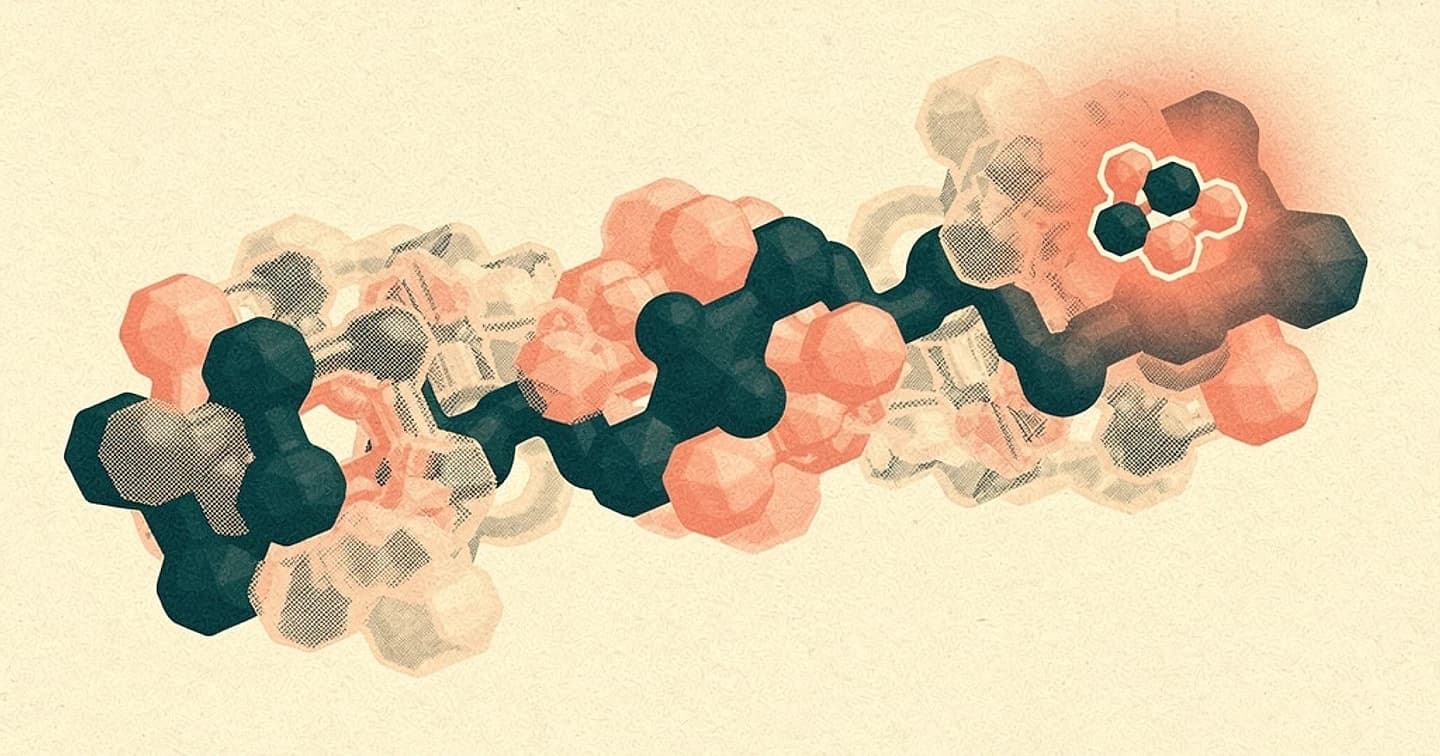
Scientists have achieved a significant leap in protein engineering using artificial intelligence. A team led by Professor Gyu Rie Lee from the Department of Biological Sciences, in collaboration with Professor David Baker, has successfully designed artificial proteins capable of recognizing specific compounds. Their groundbreaking work, published in Nature Communications, details how AI can be used to create proteins de novo (from scratch) and utilize them as functional biosensors.
The Power of AI in Protein Design
The team's approach centers around leveraging the predictive power of AI. They aren't just tweaking existing proteins; they're building entirely new ones. This opens up possibilities previously unimaginable. Why is this significant? Because it allows for the creation of highly specific sensors for a wide range of applications.
“Designing proteins from scratch has always been a massive challenge," explains Dr. Anya Sharma, a leading biochemist not involved in the study. "This research demonstrates the incredible potential of AI to overcome these hurdles and create proteins with tailored functionalities.”
Think about it: Traditional protein engineering is often a slow, iterative process. It's like trying to sculpt a masterpiece with your eyes closed. AI, on the other hand, can rapidly explore vast design spaces, identifying promising protein structures with specific binding properties.
How It Works
The process involves feeding the AI algorithms information about the target compound. The AI then generates potential protein structures designed to bind to that specific molecule. These designs are then evaluated and refined using computational methods before being synthesized and tested in the lab. It's a complex process, but the results speak for themselves.
Potential Applications
The implications of this research are far-reaching. Imagine biosensors that can:
- Detect pollutants in the environment.
- Diagnose diseases with unprecedented accuracy.
- Identify specific molecules in complex mixtures.
The ability to create proteins that selectively recognize specific compounds has huge potential in fields like environmental monitoring, diagnostics, and drug discovery. For example, a sensor could be designed to detect a specific biomarker for cancer, allowing for earlier and more accurate diagnosis.
But what about the challenges? "Scalability and cost are always concerns with these kinds of technologies," notes Dr. Sharma. "Can they produce these proteins at a scale that makes them commercially viable? That's the next big question."
Looking Ahead
This research represents a major step forward in the field of protein engineering. By harnessing the power of AI, scientists are now able to design and create proteins with unprecedented precision and control. The future of biosensors is looking increasingly intelligent.
And that's a good thing, right?