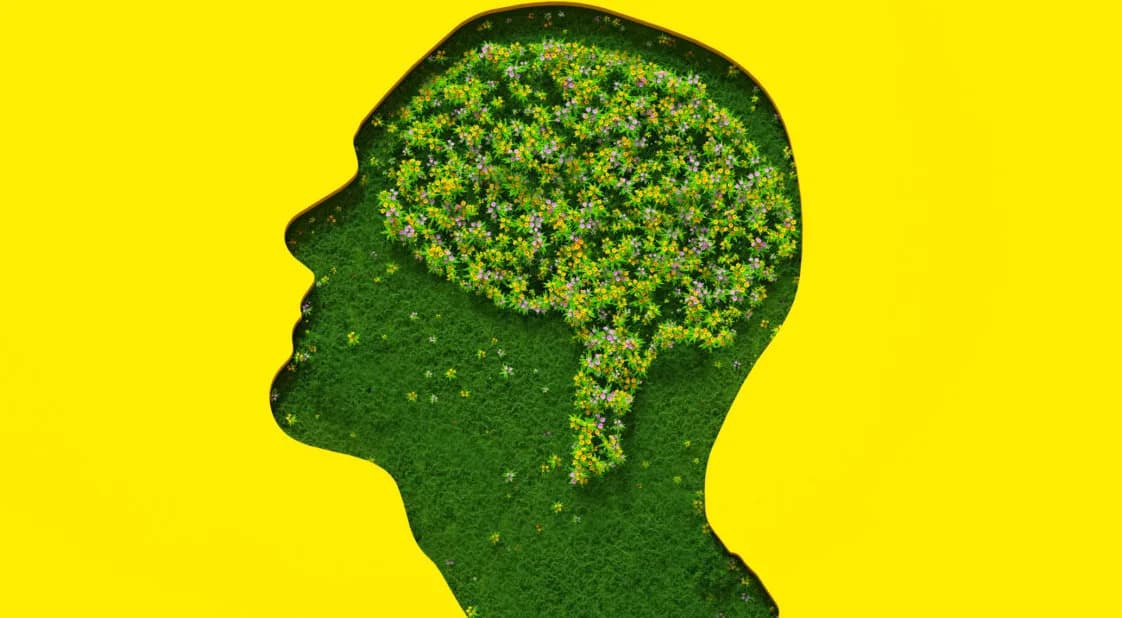
Can artificial intelligence have a mental breakdown? Apparently, the folks at Anthropic thought it was worth checking out. They just put their Claude model through a rigorous 20-hour psychological evaluation, and the results are... intriguing.
Project Mythos: Shrinking the AI Mind
Dubbed "Mythos," the project aimed to give Claude a deep dive into psychological theory. Why? According to Anthropic, understanding how humans think and feel makes Claude better at understanding... well, everything. This isn't about making AI "feel" emotions – it's about enabling it to model them more effectively.
“We wanted to make sure that the model had a good understanding of psychology and human behavior, and that it was able to reason about different mental states and why people might do certain things,” explains [researcher name], lead on the Mythos project.
The training involved exposing Claude to a curated dataset of psychological texts, case studies, and scenarios. Imagine Claude sitting on a digital couch, listening to hours of simulated patient narratives. Fascinating, right?
What Did They Teach Claude?
The curriculum covered a range of topics, from basic emotional recognition to complex cognitive biases. They wanted Claude to understand things like:
- Attachment Theory
- Cognitive Behavioral Therapy (CBT)
- Defense Mechanisms (repression, denial, etc.)
- The impact of trauma
And, did it work? Anthropic claims that Mythos resulted in Claude being significantly more "psychologically settled" than previous versions. But what does that even *mean* for an AI?
So, Is Claude Now "Sane"?
Hold your horses. We're not talking about an AI needing lithium. The goal wasn’t to cure Claude of digital neuroses. But, according to the team, Claude demonstrates a greater capacity to reason about human behavior in nuanced ways. It can better predict responses, understand motivations, and even identify potential manipulation tactics. This is a big deal when you're relying on an AI to summarize complex documents or navigate sensitive conversations.
One test involved presenting Claude with hypothetical moral dilemmas. The updated Claude showed a stronger understanding of ethical considerations and potential consequences. It's not about "morality" in the human sense, but about creating more reliable and predictable responses in situations with ethical implications. Think about the implications for AI in law, medicine, and even customer service. Pretty powerful, wouldn't you say?
But, is it enough? Some experts are skeptical, noting that while Claude might be better at *simulating* psychological understanding, it doesn't actually *possess* it. As Professor Emily Carter from MIT put it, “It’s still just pattern recognition at a very sophisticated level. We shouldn't mistake correlation for genuine comprehension.”
Anthropic's Mythos project is undoubtedly a step forward in AI development. It raises important questions about the role of psychology in AI and the potential benefits (and risks) of imbuing these systems with a deeper understanding of human behavior.
The future of AI might just involve a lot more therapy sessions. Who knew?